
 Materials Library
 Articles
 E-Books & Guides
 Manufacturing Stories & Cases
 Webinars
 Guides & Tools
Finishing Services
Quote Your Parts With One of 40+ Finishes
STEP | STP | SLDPRT | STL | IPT | 3DXML | CATPART | PTC | PRT | SAT
Surface Treatments
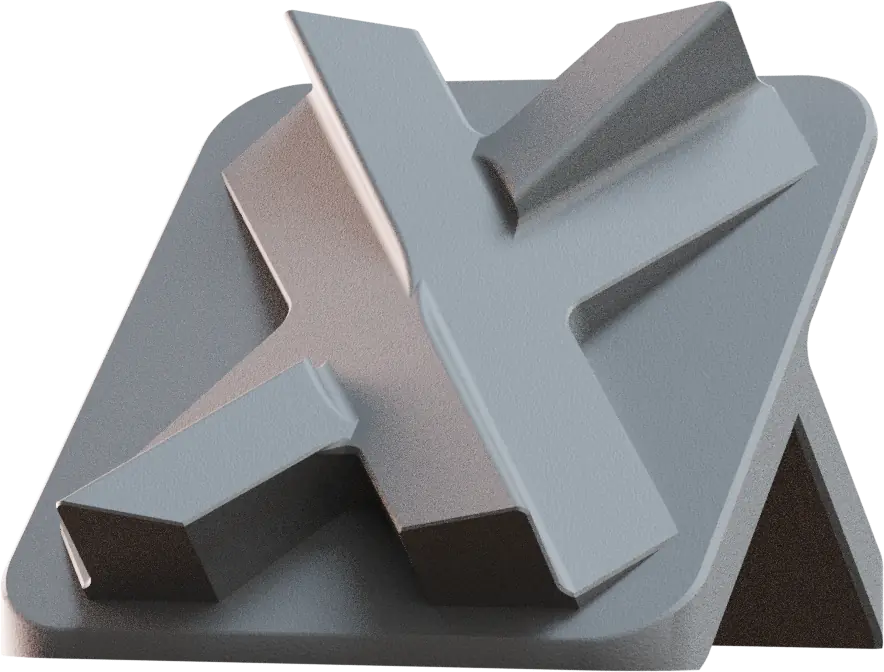
Bead blasting
Bead blasting
Bead blasting involves spraying a pressurised stream of tiny beads of media, plastic or glass beads, from a nozzle onto the surface of the part. This removes the burrs and imperfections, leaving a smooth finish.
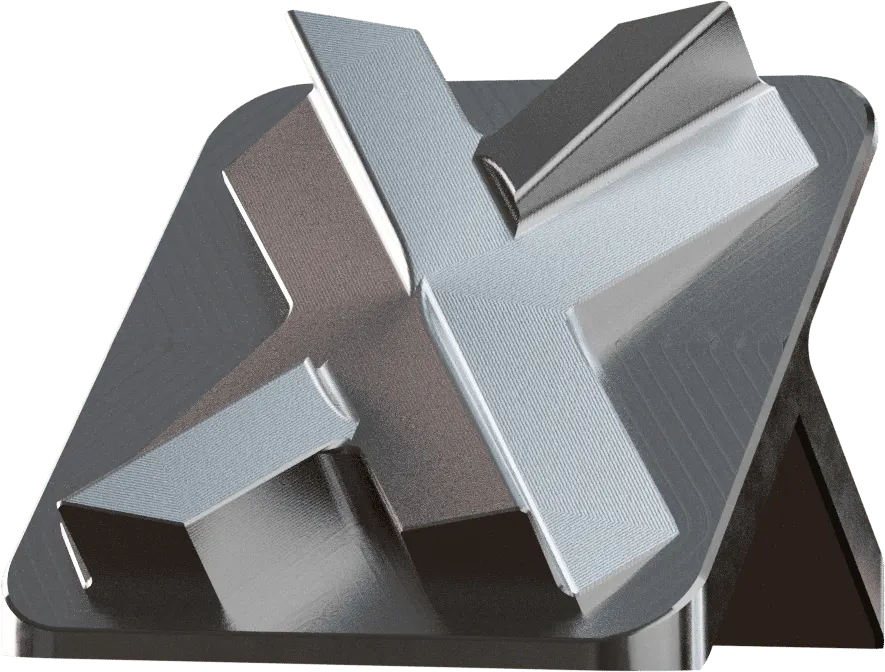
Electropolishing
Electropolishing
An electrochemical process that cleans steel parts to reduce corrosion and improve appearance by making the metal brighter.
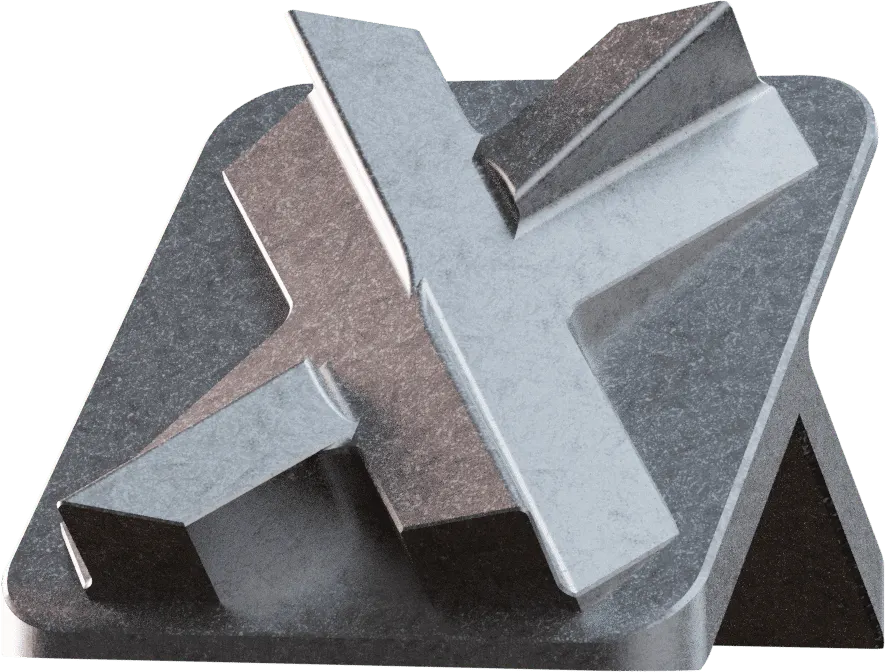
Media tumbling
Media tumbling
Tumbling vibrating media to remove sharp edges and burrs on machined parts.
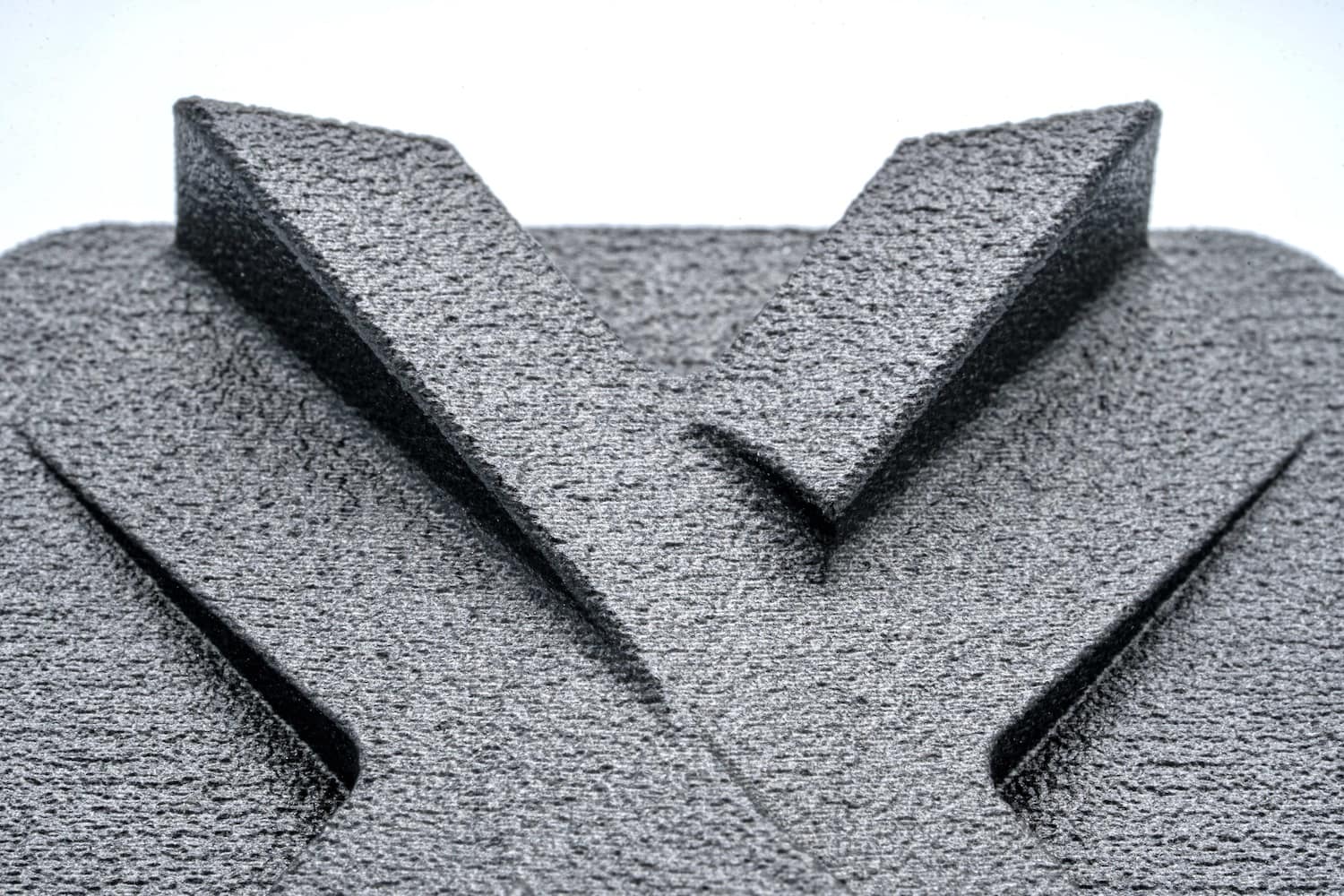
Vapour smoothing
Vapour smoothing
Bathing printed parts in vaporised chemical solvents to create a controlled chemical melt of the material.
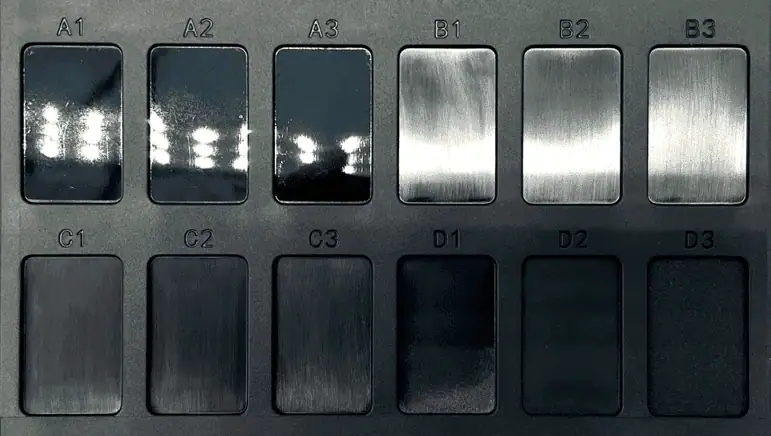
SPI
SPI
SPI finishes are a set of standard mould finishes with different polished textures for enhanced properties.
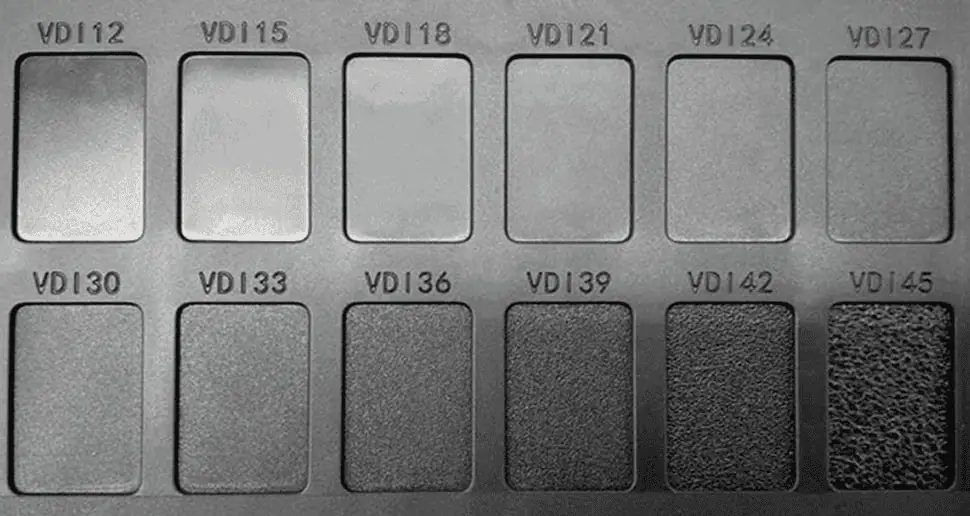
VDI
VDI
VDI is an international standard for mould texturing of matte surfaces. It is mainly processed by Electrical Discharge Machining (EDM) when mould machining.

Sand blasting
Sand blasting
Sand blasting is a surface preparation technique involving high-velocity abrasive particles to remove contaminants and roughen surfaces.
Adhesives and Coatings
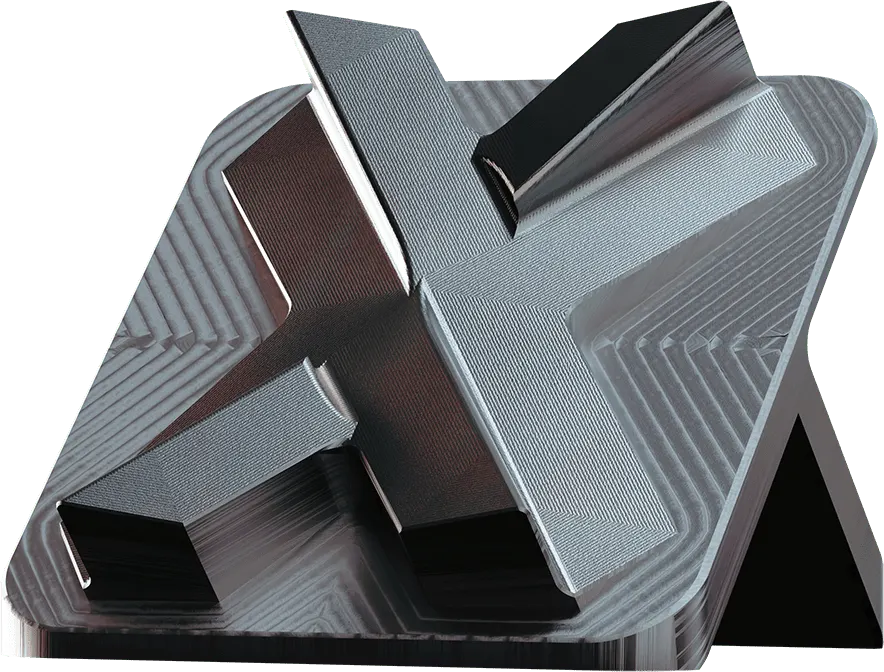
Passivation
Passivation
A colorless coating that improves corrosion resistance for 200 and 300 series and precipitation hardened corrosion-resistant steels by removing free iron from the surface.
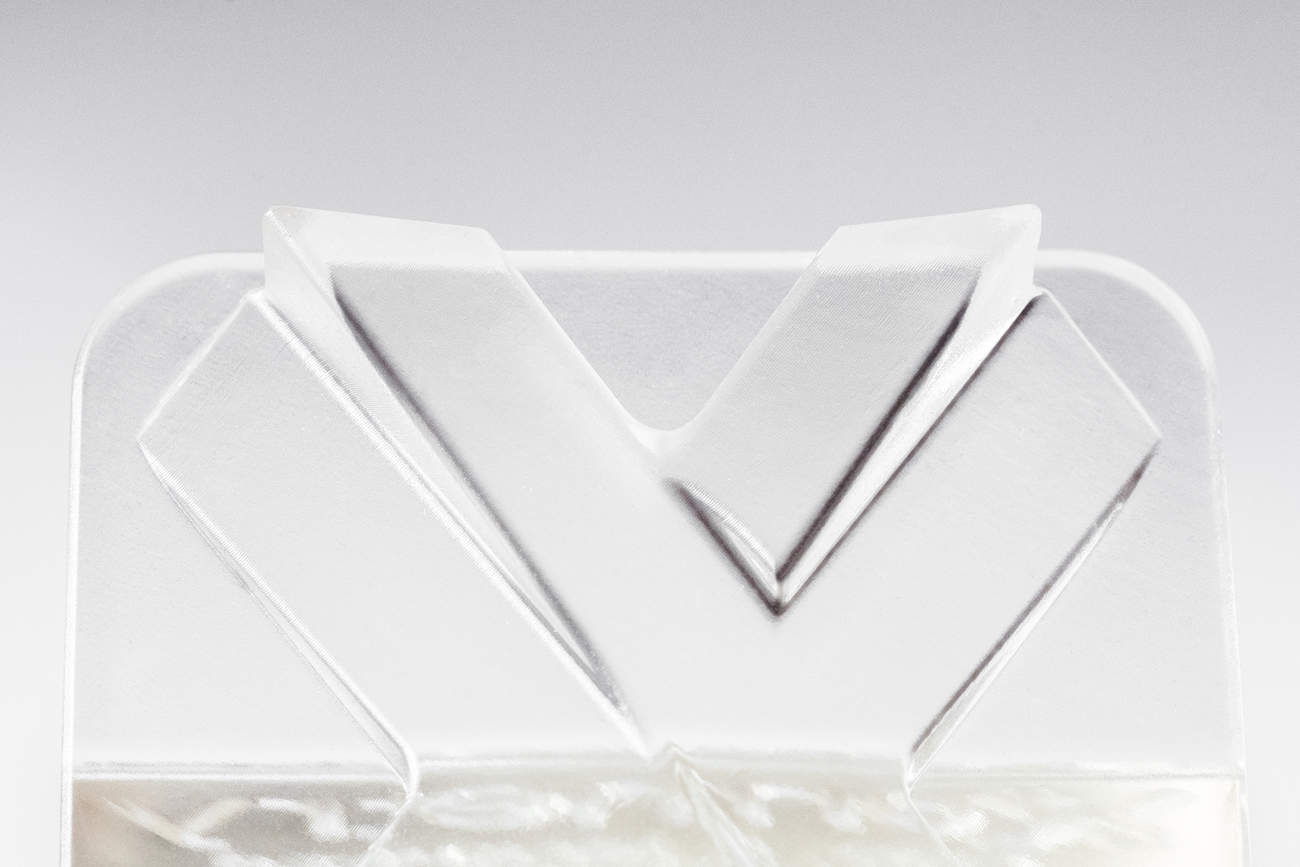
Quick clear
Quick clear
Clear coat evens out the surface of the part, which allows light to pass through with little distortion.

Chromate conversion
Chromate conversion
Chromate conversion coatings, also known as chem-film, enhance corrosion resistance and conductivity properties and can be used as a base for paint. Type I chromate conversion caused the coating to appear gold or brown in color typically
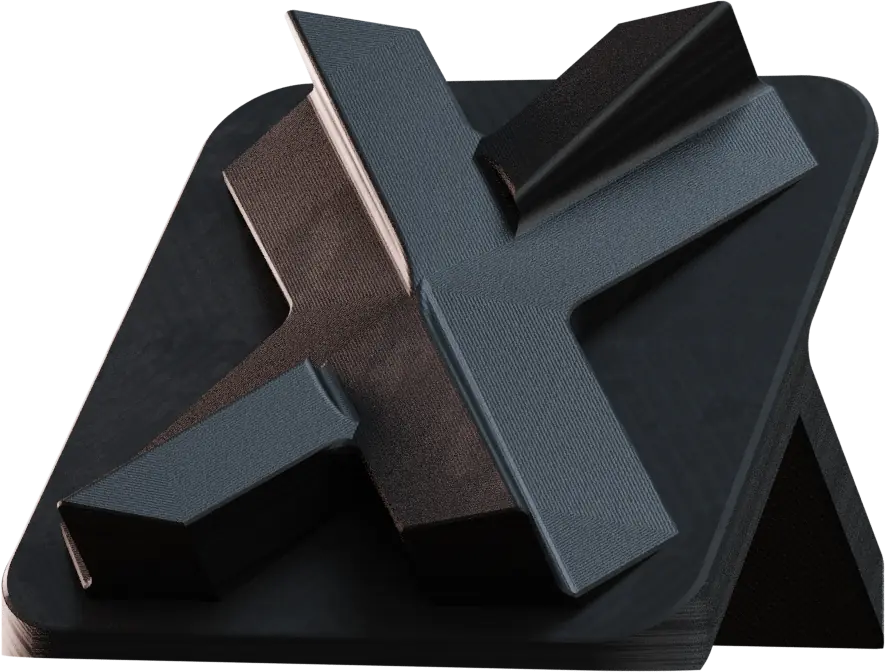
Black oxide
Black oxide
Black oxide is a type of conversion coating for ferrous materials, such as steel and stainless steel, which blackens the top layer of the material. It can be used to reduce reflection and glare, as well as provide some additional corrosion resistance without affecting part dimensions.
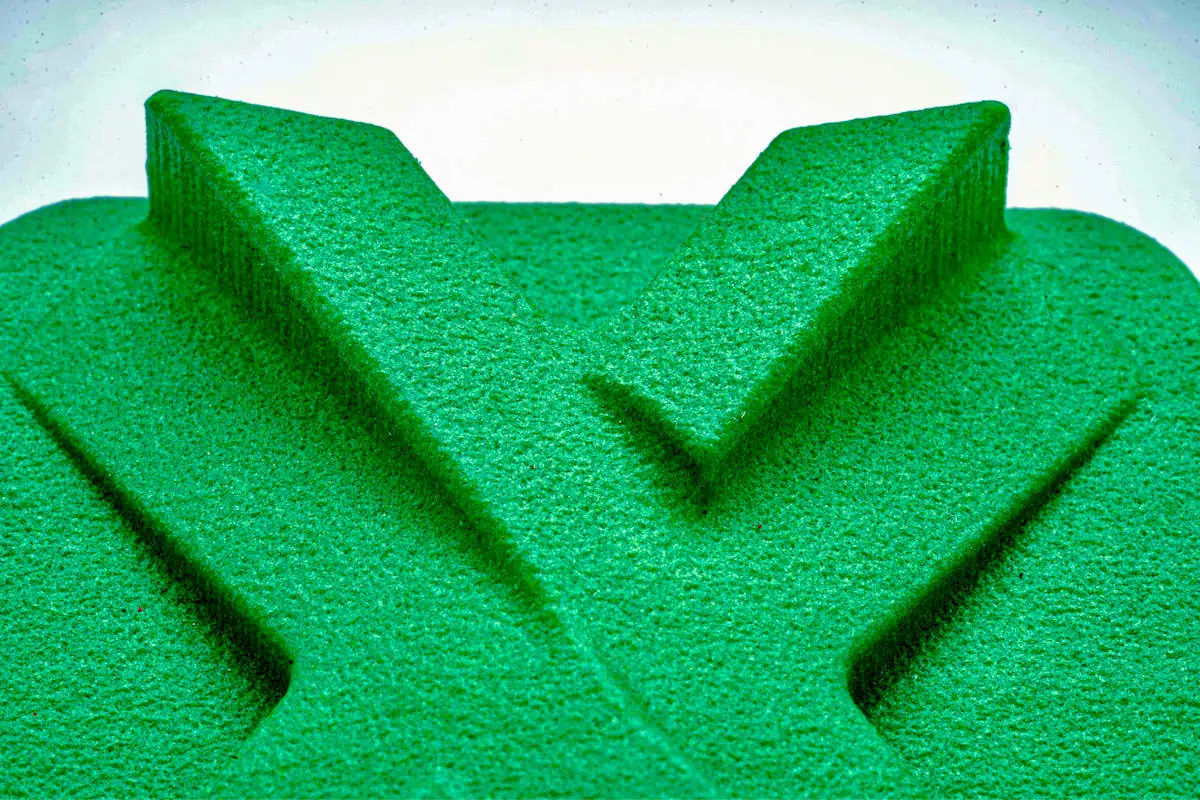
Dyeing
Dyeing
Colouring parts using dye.
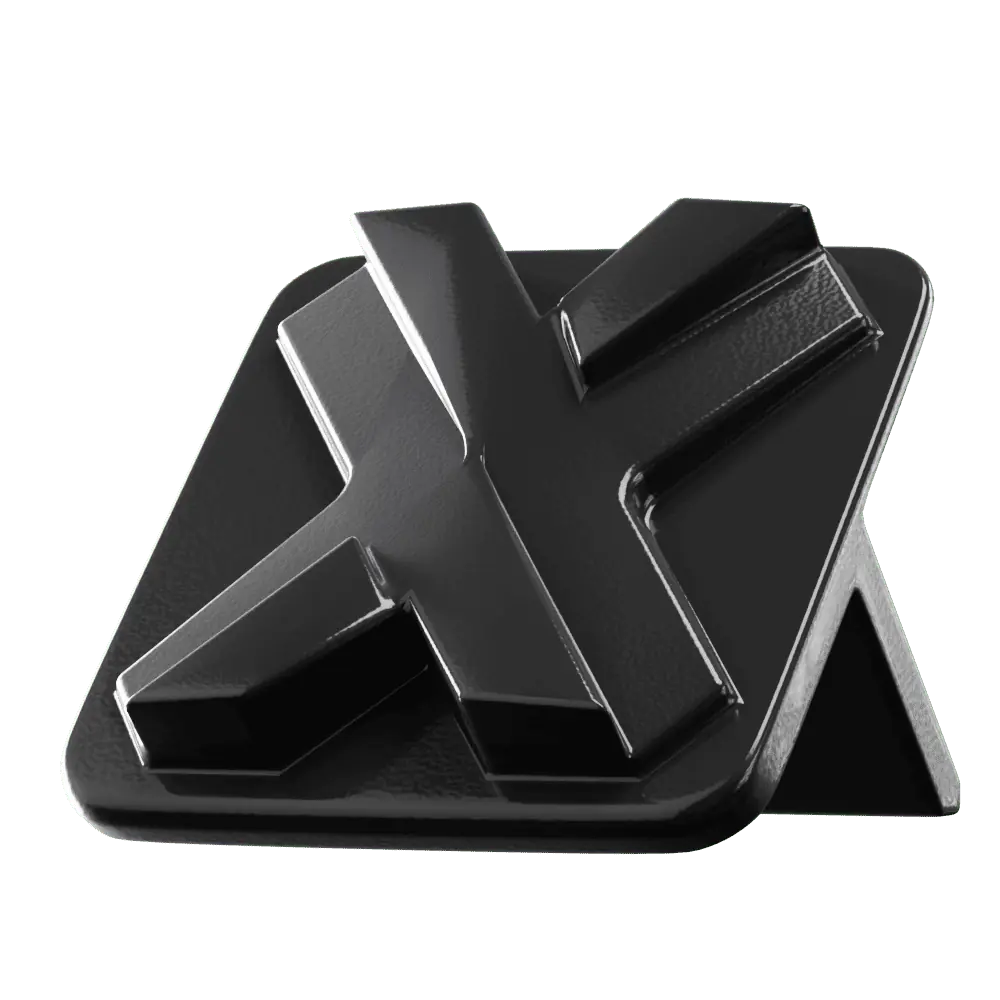
Powder coating
Powder coating
Provides a continuous, protective colour finish on parts using evenly applied, heat-cured paint. The finish is usually tougher and even compared to conventional painting.
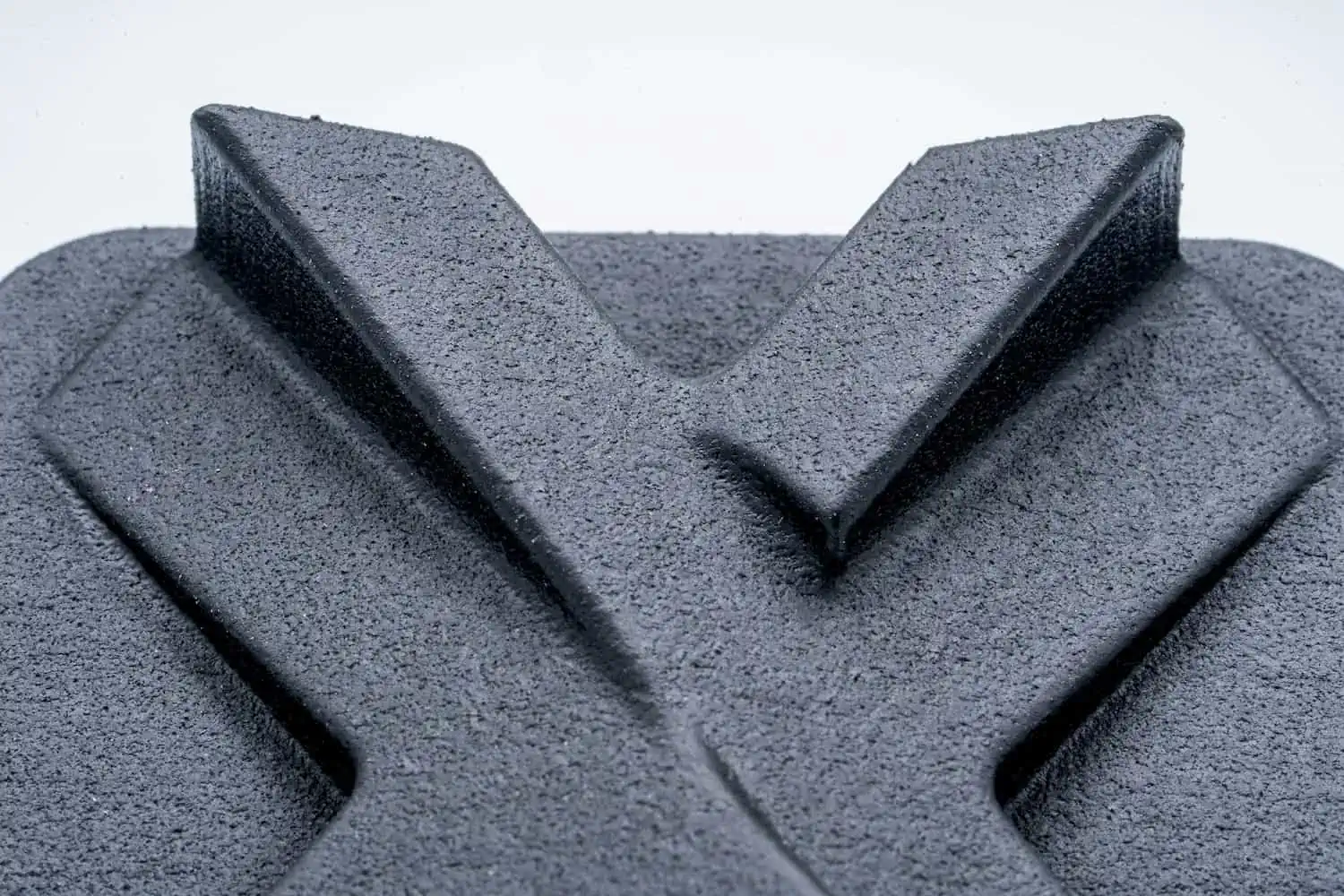
Spray painting
Spray painting
Provides a continuous, protective color finish which is applied by spraying.
Anodising
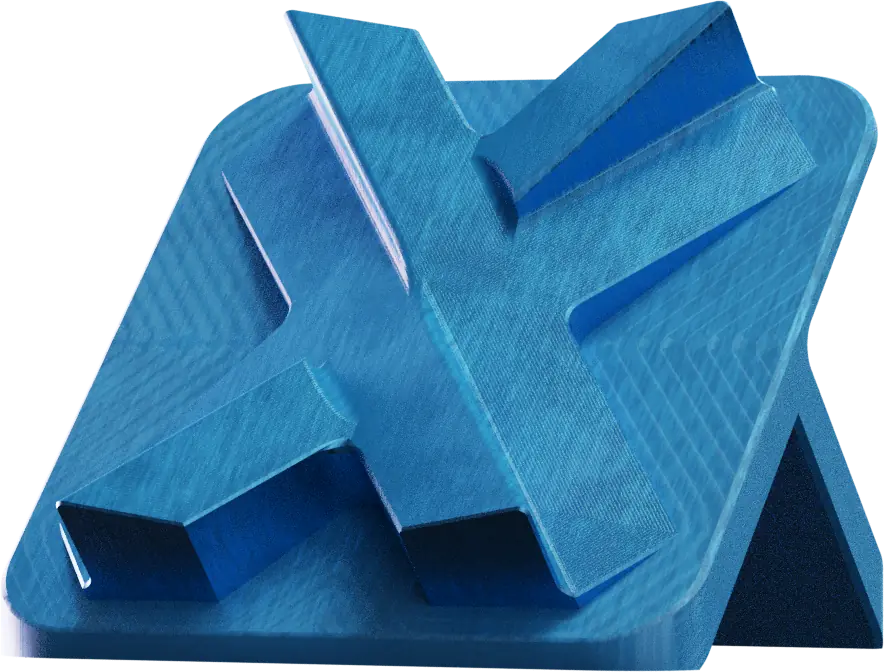
Anodising (type II)
Anodising (type II)
Type II anodise provides increased corrosion resistance and can be used as a base for paint and other finishes.
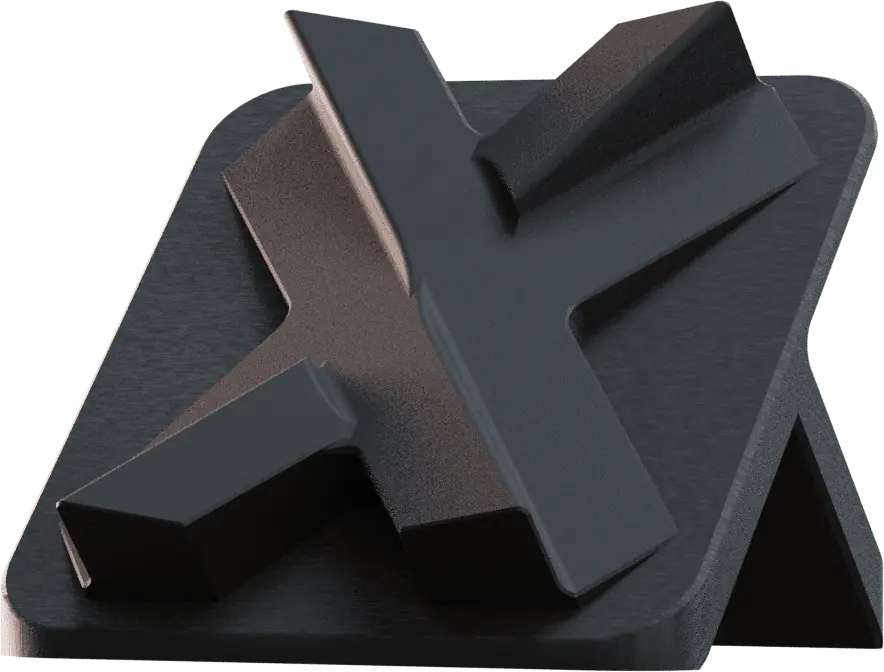
Hardcoat anodising (type III)
Hardcoat anodising (type III)
Type III hardcoat anodise produces a thicker layer of standard anodising, making it more durable and wear-resistant. Can be used as a base for paint and other finishes.
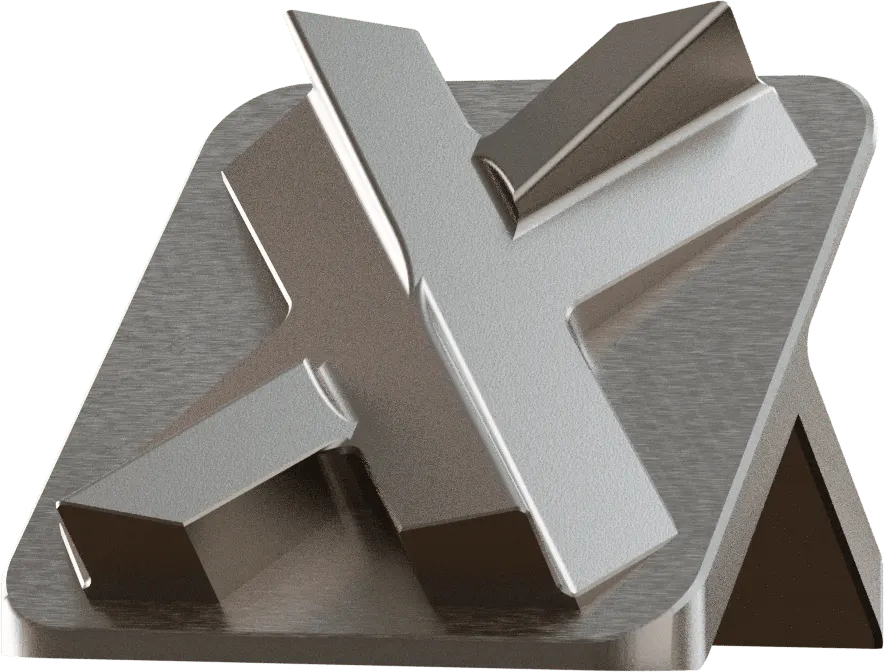
Hardcoat anodising (type III) with PTFE
Hardcoat anodising (type III) with PTFE
A hard coat anodise process that embeds PTFE to create a self-lubricating, dry contact surface with Type 3 hard coat’s protective properties.

Titanium anodising
Titanium anodising
Titanium anodising is the deliberate electrolytic oxidation of the surface of titanium (or titanium alloy) components to produce surface properties suited to the application for which the part is being made.
Metal & Precious Metal Plating
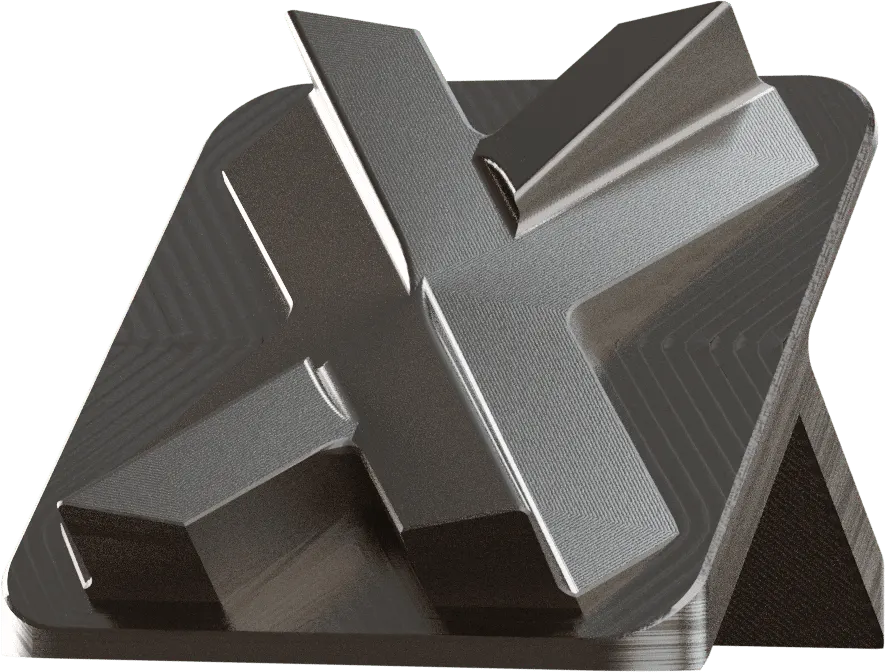
Electroless nickel plating
Electroless nickel plating
Electroless nickel plating provides a uniform nickel coating, which offers protection from corrosion, oxidation, and wear on irregular surfaces.
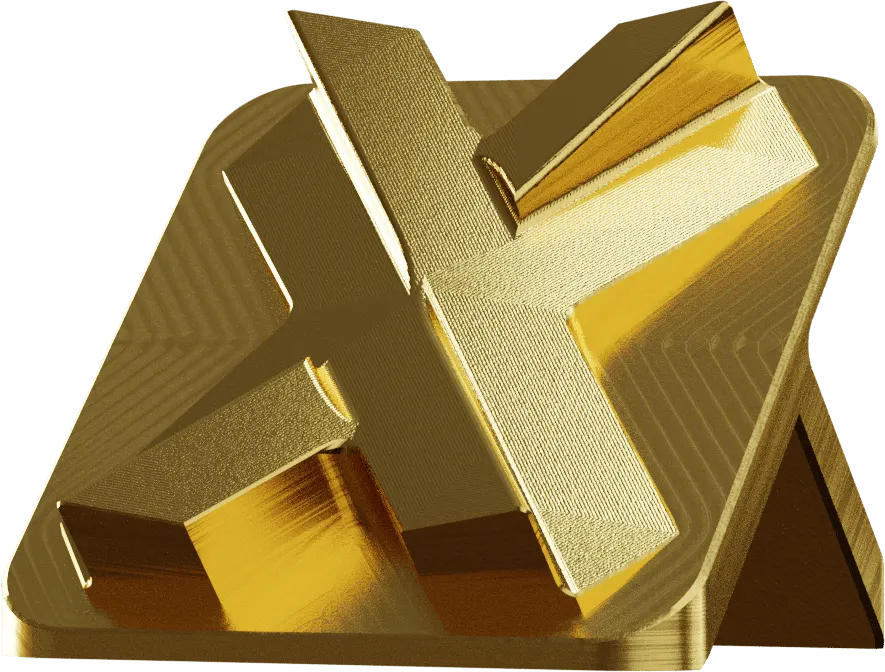
Gold plating
Gold plating
Gold Plating provides good corrosion and tarnish resistance. Gold has low contact resistance, excellent conductivity, and solderability.
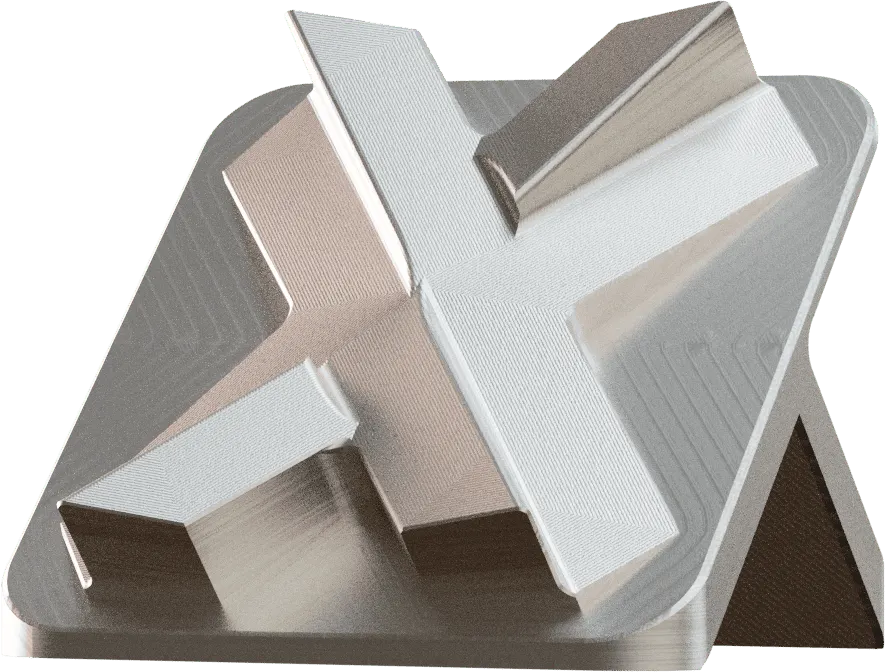
Silver plating
Silver plating
Electroplating silver provides good corrosion resistance but easily tarnishes. Silver offers high solderability and electrical conductivity.
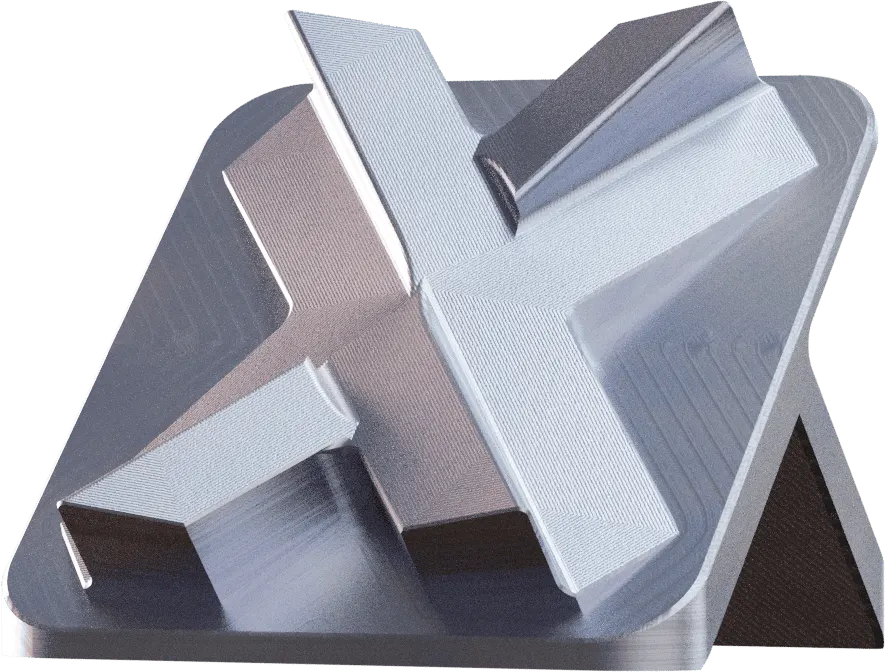
Zinc coating / Galvanising
Zinc coating / Galvanising
Zinc plating involves the electrodeposition of a thin coating of zinc metal onto the surface of another metal object, known as a substrate. The zinc coating creates a physical barrier that prevents rust from reaching the underlying metal surface.
Heat Treatments

Annealing
Annealing
The annealing process involves the heating of a metal to or near the temperature at which recrystallisation begins without change in the stresses. After heating, the metal is cooled to room temperature in the oven or put in the sand.
Case-hardening (Carburising)
Case-hardening (Carburising)
A heat treatment process which includes hardening the surface of metal while allowing the metal underneath to remain soft. As the name implies, carburising is inducting carbon or nitrogen into low-carbon alloys at elevated temperatures so that the hardenability increases.
Tempering
Tempering
A heat treatment method that is mainly dedicated to reducing the amount of hardness of metals. It involves heating the metal to a temperature below the critical point. The temperature is adjusted depending on the amount of hardness that needs to be reduced and it varies depending on the metal type as well.
Through hardening
Through hardening
Through hardening, also known as quench hardening, is a heat treatment process used to increase the hardness and strength of a material by heating it to a high temperature and then rapidly cooling it, usually by immersing it in a quenching medium such as oil, water, or air.
Choose From 50+ Finishing Options for Your Parts