
 Materials Library
 Articles
 E-Books & Guides
 Manufacturing Stories & Cases
 Webinars
 Guides & Tools
CNC Turning Service Online
- CNC Turned Parts Online
- Aluminium, Steel, Copper, Polymers & More
- Express Manufacturing Within 7 Days
- Certifications & Inspection Reports
Start A New CNC Quote
STEP | STP | SLDPRT | STL | IPT | 3DXML | CATPART | PTC | PRT | SAT




CNC Turning Services
With access to a network of over 5,000 manufacturers, SYR provides you with the capacity and capabilities for your project needs, while also delivering the most competitive pricing and lead times.
Our machine learning-trained technology also provides instant manufacturability feedback to ensure that your part fits the requirements you need and is optimized for the CNC turning process. Our on-demand manufacturing platform can deliver high-quality metal or plastic turned parts in any amount from a single prototype up to hundreds of thousands of parts.
SYR can also provide certifications (certificate of compliance, raw material certificate, etc.) and inspection reports (CMM, FAIR, measurement report) upon request.
Try SYR Out Now In Just A Few Steps

Upload Your CAD Files
Multiple designs for different parts can be imported at the same time to produce a single quote. In less than a minute, a detailed cost estimation appears on the screen.

Choose the Process
First, select the manufacturing process you require. You can then choose from over 150 materials, both metals and plastics, and from a wide range of finishes and certifications.

Order Your Parts Online
Once you have selected the required options, all you need to do is confirm the order and pay for it on the secure payment platform. Your design will be analysed by engineers.

Receive Your Parts
Within a short amount of time, you will receive the parts you ordered directly to your shipping address. You can track your package at any time in your personal account.
Advantages of CNC Turning with SYR





CNC Turning Materials
Aluminium
- Aluminium 2007 / Al-CuMgPb
- Aluminium 2017A / Al-Cu4Mg
- Aluminium 6060 / Al-MgSi
- Aluminium 6061 / Al-Mg1SiCu
- Aluminium 6082 / Al-Si1Mg
- Aluminium 7075 / Al-Zn6MgCu
Steel
- Steel S235JR
- Steel EN8 / 080M46 / C45
- Steel EN8D / C40
- Steel S355J2G3
- Steel AISI 02 Tool Steel / 90MnCrV8
- Steel 805M20 / 16MnCr5
- Steel 708A25 / 25CrMo4
- Steel EN19 / 708M40 / 42CrMo4
Stainless steel
- Stainless Steel 303 / X10CrNiS18-9
- Stainless Steel 304 / X5CrNi18.10
- Stainless Steel 304L / X2CrNi18-9
- Stainless Steel 316L / X2CrNiMo17-12-2
- Stainless Steel 316Ti / X6CrNiMoTi17-12-2
Copper
- Copper C101 /E-Cu58 / E-Cu57
Brass
- Brass Ms58 / CuZn39Pb3
Titanium
- Titan Grade 2
- Titan Grade 5 / Ti-6Al-4V
Rigid plastics
Finishing Options
Bead blasting
Bead blasting
Bead blasting involves spraying a pressurised stream of tiny beads of media, plastic or glass beads, from a nozzle onto the surface of the part. This removes the burrs and imperfections, leaving a smooth finish.
Anodising (type II)
Anodising (type II)
Type II anodise provides increased corrosion resistance and can be used as a base for paint and other finishes.
Hardcoat anodising (type III)
Hardcoat anodising (type III)
Type III hardcoat anodise produces a thicker layer of standard anodising, making it more durable and wear-resistant. Can be used as a base for paint and other finishes.
Powder coating
Powder coating
Provides a continuous, protective colour finish on parts using evenly applied, heat-cured paint. The finish is usually tougher and even compared to conventional painting.
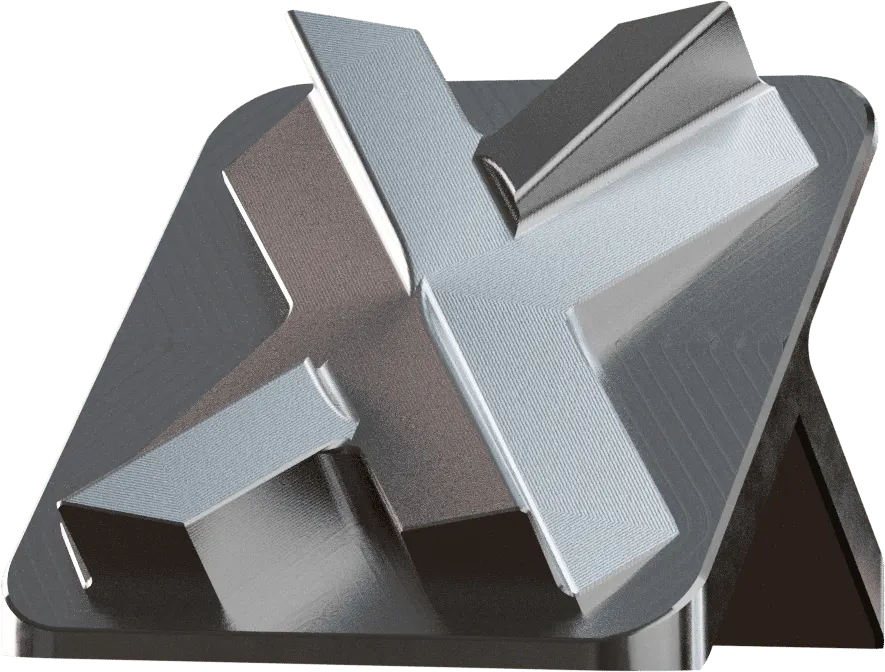
Electropolishing
Electropolishing
An electrochemical process that cleans steel parts to reduce corrosion and improve appearance by making the metal brighter.
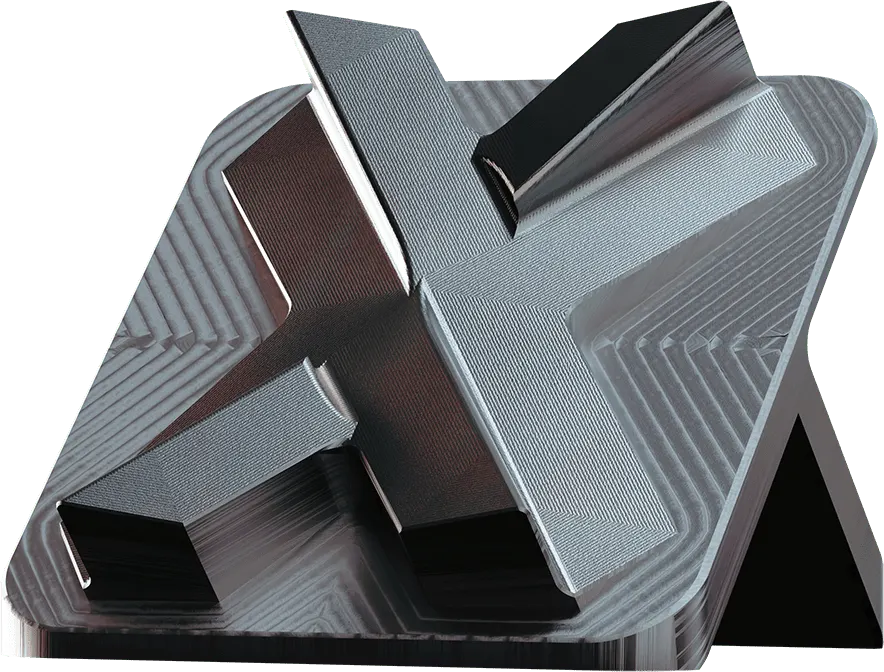
Passivation
Passivation
A colorless coating that improves corrosion resistance for 200 and 300 series and precipitation hardened corrosion-resistant steels by removing free iron from the surface.
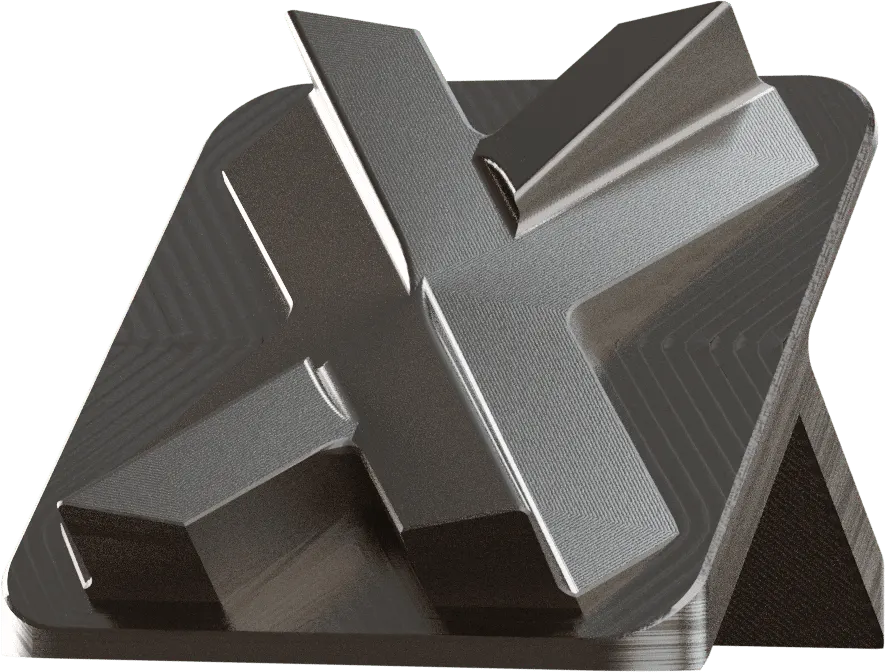
Electroless nickel plating
Electroless nickel plating
Electroless nickel plating provides a uniform nickel coating, which offers protection from corrosion, oxidation, and wear on irregular surfaces.
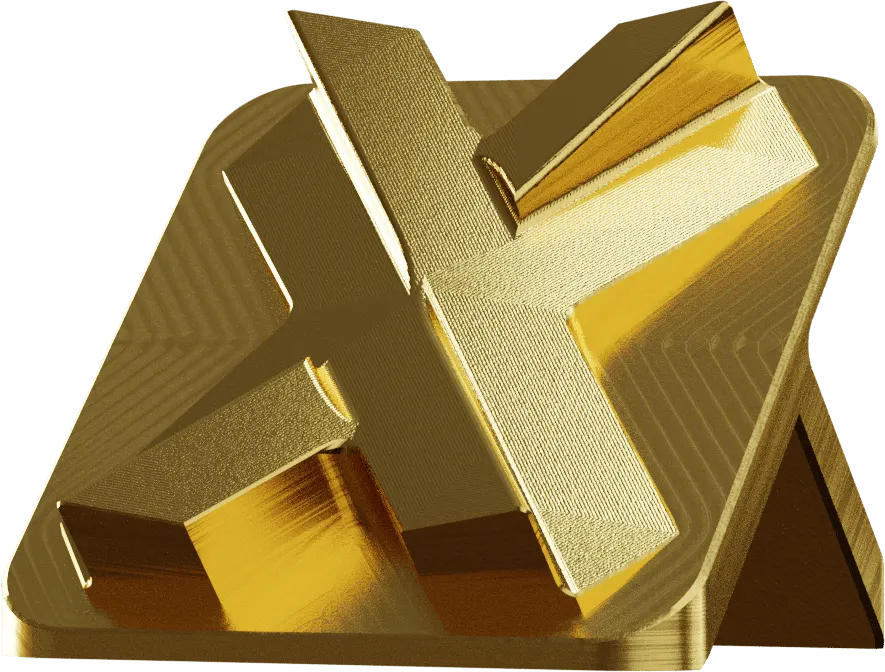
Gold plating
Gold plating
Gold Plating provides good corrosion and tarnish resistance. Gold has low contact resistance, excellent conductivity, and solderability.
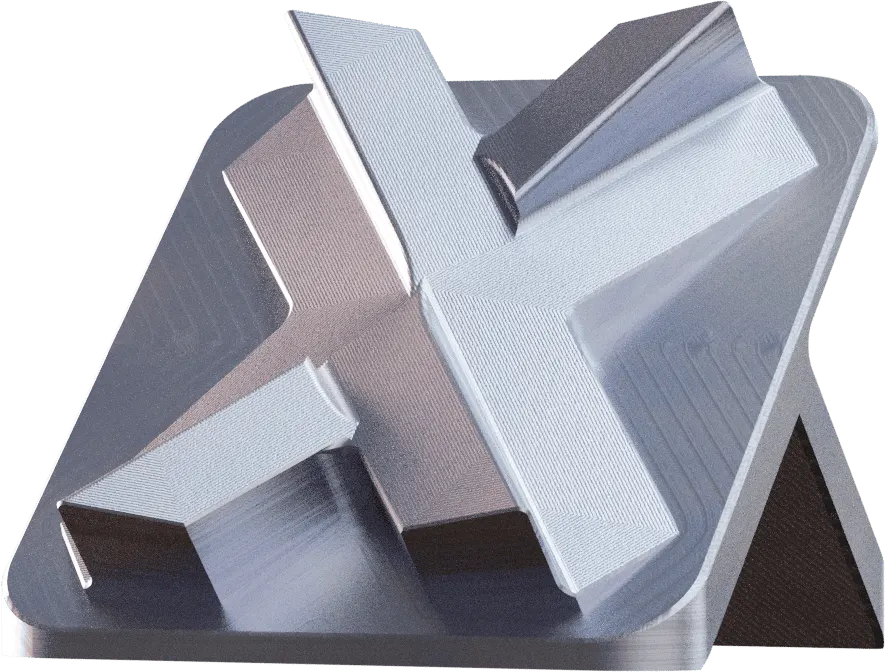
Zinc coating / Galvanising
Zinc coating / Galvanising
Zinc plating involves the electrodeposition of a thin coating of zinc metal onto the surface of another metal object, known as a substrate. The zinc coating creates a physical barrier that prevents rust from reaching the underlying metal surface.
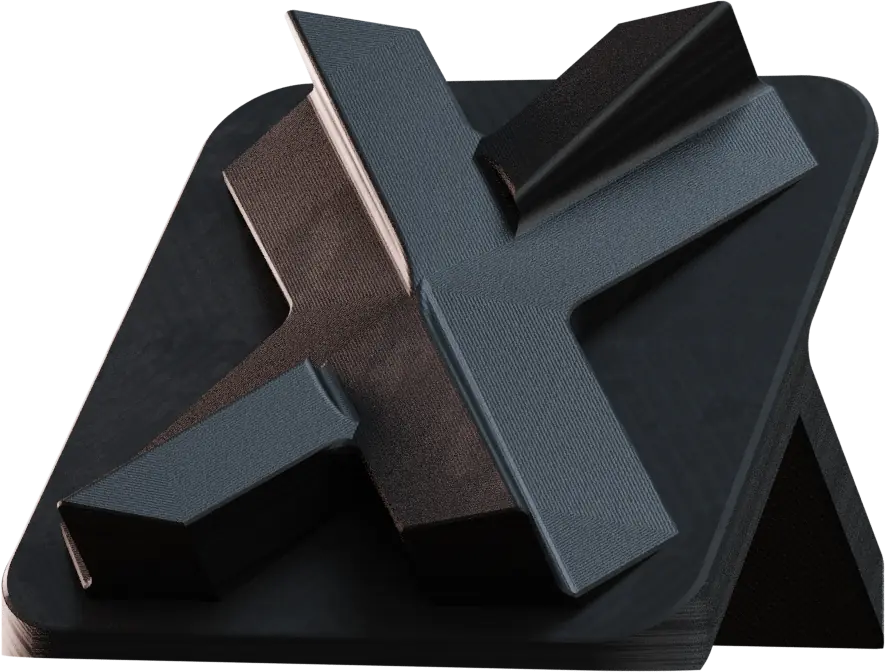
Black oxide
Black oxide
Black oxide is a type of conversion coating for ferrous materials, such as steel and stainless steel, which blackens the top layer of the material. It can be used to reduce reflection and glare, as well as provide some additional corrosion resistance without affecting part dimensions.

Annealing
Annealing
The annealing process involves the heating of a metal to or near the temperature at which recrystallisation begins without change in the stresses. After heating, the metal is cooled to room temperature in the oven or put in the sand.
Case-hardening (Carburising)
Case-hardening (Carburising)
A heat treatment process which includes hardening the surface of metal while allowing the metal underneath to remain soft. As the name implies, carburising is inducting carbon or nitrogen into low-carbon alloys at elevated temperatures so that the hardenability increases.
Tempering
Tempering
A heat treatment method that is mainly dedicated to reducing the amount of hardness of metals. It involves heating the metal to a temperature below the critical point. The temperature is adjusted depending on the amount of hardness that needs to be reduced and it varies depending on the metal type as well.
Through hardening
Through hardening
Through hardening, also known as quench hardening, is a heat treatment process used to increase the hardness and strength of a material by heating it to a high temperature and then rapidly cooling it, usually by immersing it in a quenching medium such as oil, water, or air.

Phosphating
Phosphating
Phosphating is a chemical conversion coating applied to steel and iron parts to increase corrosion resistance and reduce friction. It converts the metal’s outer layer into a crystalline structure, serving as an excellent mechanical anchor for additional coatings like paint, powder coating, or rust-preventative oils.
Trivalent Chromium Passivation (TCP)
Trivalent Chromium Passivation (TCP)
Trivalent chromium passivation is an eco-friendly chemical conversion coating for aluminium offering high corrosion resistance and good paint adhesion. It is a safer, compliant alternative to hexavalent chromium coatings.
TCP Surtec 650-like
TCP Surtec 650-like
A REACH- and RoHS-compliant trivalent chromium conversion coating for aluminium that delivers high corrosion resistance and an optimal base layer for paints and adhesives.
Nitriding
Nitriding
A surface-hardening heat treatment that diffuses nitrogen into the metal surface to create a tough, wear-resistant outer layer with minimal dimensional change.
Ferritic Nitrocarburising (FNC)
Ferritic Nitrocarburising (FNC)
A thermochemical surface-hardening process that diffuses both nitrogen and carbon into the metal surface at sub-critical temperatures.

Custom
Custom
If you select a custom finish in the Instant Quoting Engine it will require manual review. Manual quoting usually 1-2 business days.
Overview: What is CNC Turning?
The Basics Of CNC Turning
CNC turning is a technology of computer-controlled machining that produces parts by rotating a solid workpiece, while fixed cutting tools remove material from the workpiece and shape the final part. All the actions are performed automatically according to the CAD models uploaded to the CNC lathe.